

Partnership Schools Ireland (PSI)
Parents, children and young people, school staff and community members
What is PSI?
Partnership Schools Ireland (PSI) is a school-based programme which aims to ensure better outcomes for children by promoting partnerships between them, their schools, their families and wider communities. It is a joint initiative by the National Parents Council and the Irish Primary Principals' Network and is part-funded by the Department of Education and Youth.


1
2
3
4
5
Schools form an Action Team for Partnership (ATP), which consists of up to 4 parents, up to 4 children/young people, the principal and up to 4 school staff (e.g. teachers, SNAs, admin staff) and up to 4 members of the wider community. The principal fills out an application form and sets dates for training.
Session 1 of PSI training explores Dr Joyce Epstein’s research into how the child/young person benefits from their Home, School and Community working together for better outcomes. It is an interactive, collaborative session which focuses on the individual school context. Session 2 guides the team through goal-setting, project planning templates, and measurement tools. At the end, the team leaves with practical resources and a shared vision.
The plan is based around 4 Goals, which are closely aligned to the school improvement plans. The goals aim to achieve better academic outcomes, more positive behaviour and an improved climate of partnership. The team plans and implements actions to support these goals.
NPC staff are available on a dedicated phone line to support ATPs as they work towards their goals. Termly online meetings provide a forum where ATPs can share experiences and get support from each other and NPC staff. Regional support meetings are also arranged so ATPs in a particular area can meet in person to discuss the progress in their individual schools.
At the end of an academic year, schools review their progress and plan goals for the next year.
How the Programme Works



6

Joyce Epstein’s
Pillars
Joyce Epstein’s Six Pillars of Partnership
Drawing on decades of international research, Dr Joyce L. Epstein contends that pupils thrive when the adults in their lives share responsibility for learning across six overlapping “pillars” of involvement.
Parenting focuses on equipping families with the skills, knowledge and confidence to support healthy development in all children and young people,
Communicating promotes clear, two‑way sharing of information so parents and staff can work together as partners.
Volunteering encourages Families and communities to offer their time and skills in different ways to support the school.
Learning at Home supports families learning together and promotes a positive attitude towards school and school work.
Decision making includes families in school policies, plans and evaluations, giving a sense of ownership to all involved.
Collaborating with the community involves linking with local groups or organisations to foster connections between home, school and community life across the area where the school is located.
PSI asks each Action Team for Partnerships to weave together actions from at least half of these pillars, ensuring a balanced, whole‑school approach that strengthens relationships, boosts attendance and raises achievement.
Children and young people

Parents & Guardians
Clearer two‑way communication, a genuine voice in school decision‑making, and practical ideas for supporting learning at home.

Teachers & Principals
A wider pool of ideas and helpers, shared workload on projects, and tangible progress on school self-evaluation and School Improvement plan targets.

Community Partners
Local sports clubs, libraries and businesses work with the school,
building partnerships across the community.
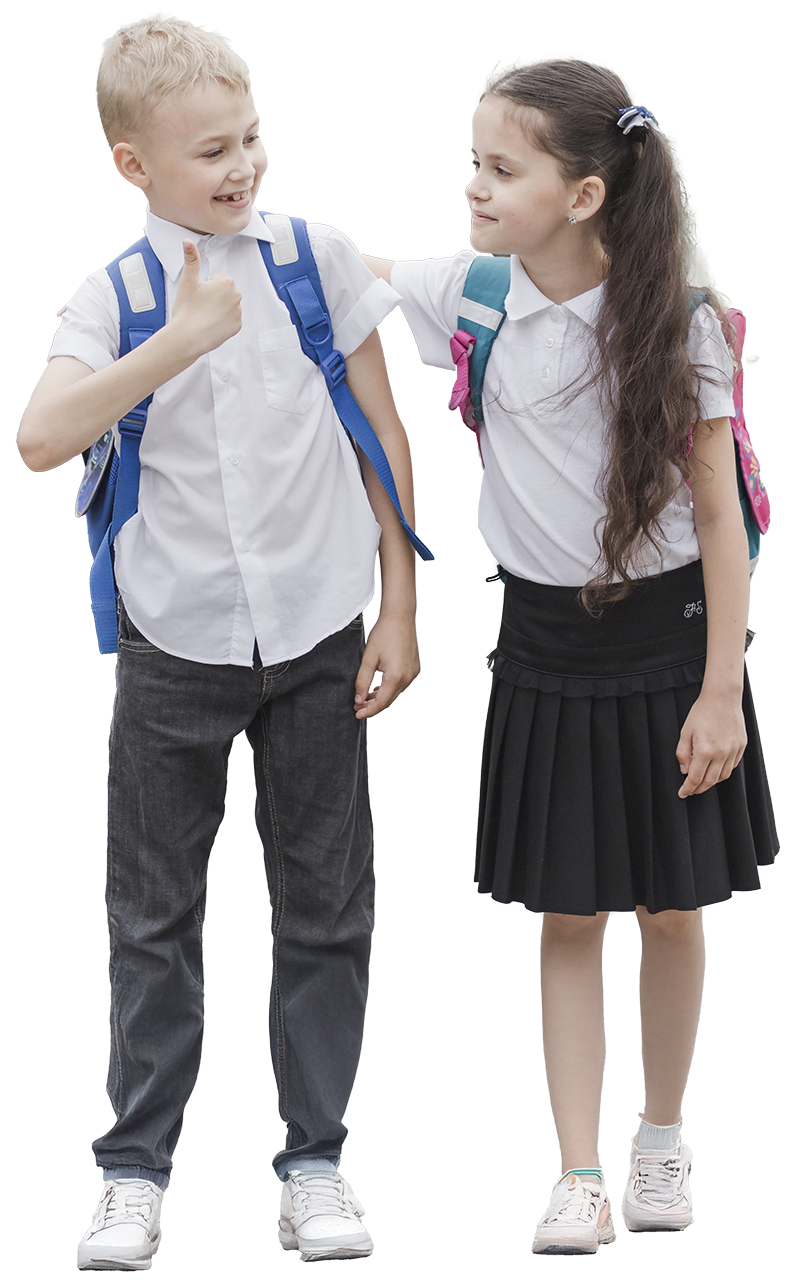
Better attendance, higher motivation, richer learning experiences and a stronger sense of belonging when they see the important adults in their lives working together.
Why Join? – Benefits for Everyone
Everyone in the school benefits when partnership work is embedded in day-to-day practice. International studies and now our own Irish evidence show measurable gains in attendance, behaviour, attainment and wellbeing when families, school staff, children and young people and the communities they live in, co-design activities and share responsibility for results. By signing up to PSI your school gains a structured, research-backed process that turns goodwill into clear plans and concrete impact.
Two free workshops for the Action Team
Planning templates and all other resources provided
Dedicated support from NPC staff
Termly online support sessions and regular regional supports
On-site facilitation where needed
There is NO PROGRAMME FEE – schools simply commit time and enthusiasm.
Resource Hub – Tools for Your Action Team
Partnership Schools Ireland

Information Leaflet


Featuring: Carmel O’Shea and Elaine Foley
Podcast: The NCCA Primary Podcast
Episode length: 50 minutes
Partnerships: How schools and families can work together
In this episode of The NCCA Primary Podcast, Carmel O’Shea from National Parents Council and Elaine Foley, Principal of St Joseph’s Primary School, Templemore, explore how parents, teachers and schools can work together to strengthen children’s learning experiences.
They discuss the importance of meaningful family engagement, stronger connections between home and school, and how partnership working can make a positive difference across the whole school community.
Training & Ongoing Supports
How long does the ATP run?
Schools set goals based on an academic year. These are reviewed at the end of the year and re set for the following year.

Can special schools or DEIS schools join?
Absolutely – PSI works in every setting and is already running in mainstream, DEIS and special schools nationwide.

Is there paperwork?
Just a short Partnership Plan at the beginning and an end-of-year reflection; NPC provides simple templates.
.png)
Do we need extra funding?
Most projects use existing school or community resources. Small grants/sponsorship can be sourced locally if required.

Our school is very small, would PSI work for us?
Yes, the programme works very well in small schools where community involvement is a particular feature.

PSI FAQs
PSI FAQs
Ready to Get Involved?
.jpg)
Fill out our short Expression of Interest form and an NPC mentor will contact you.
Have a quick question first?
-
📧 Email: psi@npc.ie.
-
📱 Phone: 01 887 4478 (Mon-Fri, 10 am–4 pm)
We’re here to support you every step of the way.